
Introduction
Montessori education is renowned for its child-centered approach and carefully crafted environment. But what are the most effective teaching techniques in Montessori that truly support a child’s holistic development? Whether you’re a new educator, a school administrator, or a curious parent, this blog breaks down the top methods that bring the Montessori philosophy to life in the classroom.
Modern Montessori educators are also supported by tools like a Montessori lesson planning tool, which streamlines lesson delivery while maintaining fidelity to the method. Combined with robust childcare management software, these digital solutions empower teachers to focus more on the child and less on paperwork.
Prepared Environment
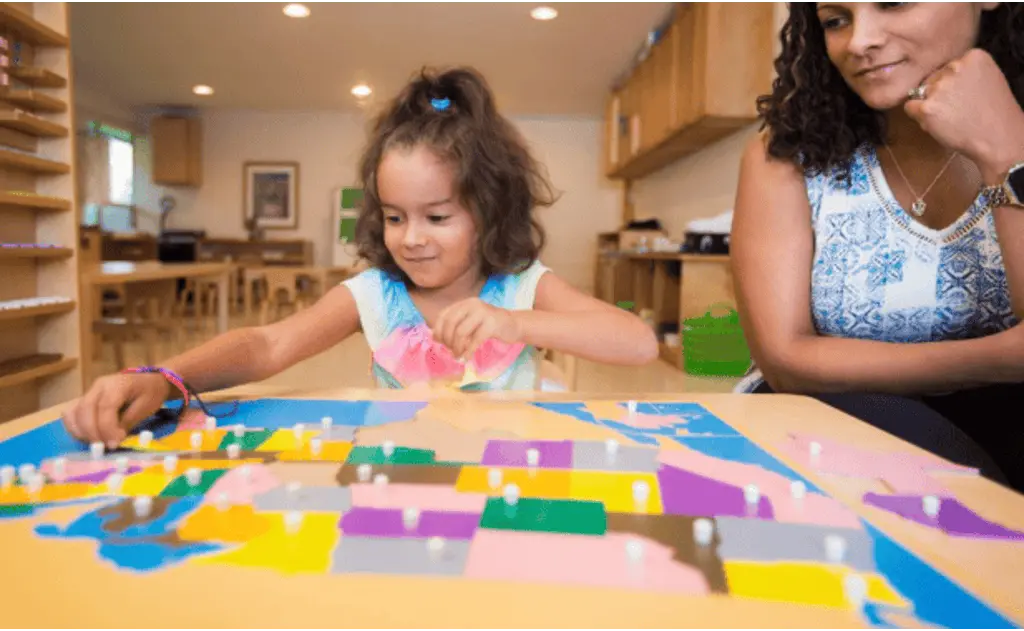
A cornerstone of Montessori education, the prepared environment is intentionally designed to meet the developmental needs of children at each stage. Furniture, materials, and activities are child-sized and self-correcting, promoting independence and exploration.
Why it works: Children thrive when their environment invites movement, order, and choice, and responds to their developmental needs. They learn by doing, and the classroom becomes a silent teacher.
Freedom Within Limits
Montessori classrooms allow children to choose their work, move around, and interact within clearly defined boundaries. This technique helps children develop self-regulation and decision-making skills.
Why it works: When children are trusted to make choices and are given the tools to succeed, their motivation and engagement increase significantly. Montessori educators use a Montessori lesson planning tool to track student choices, match them with appropriate work, and ensure balance across subject areas.
Three-Period Lesson
This classic Montessori technique introduces new vocabulary or concepts in three simple steps: naming, recognition, and recall. For example, in a language lesson, a teacher might say, “This is a triangle,” (Period 1), “Show me the triangle,” (Period 2), and later ask, “What is this?” (Period 3).
Why it works: The three-period lesson supports active learning, repetition, and mastery without pressure.
Using school learning assessment tools alongside this method can help educators measure conceptual understanding and tailor instruction.
Hands-On Learning with Didactic Materials
Montessori’s uniquely designed materials—like the Pink Tower, Golden Beads, or Moveable Alphabet—are tools and purposeful aids that help children internalize abstract concepts through touch and manipulation.
Why it works: Research supports that kinesthetic learning improves retention and understanding, especially in early childhood education.
Teachers can track material usage, progress, and curriculum milestones through integrated childcare management software platforms.
Observation and Individualized Guidance
Montessori teachers act as keen observers, watching how each child interacts with the environment and identifying the best moment to introduce new lessons. The child’s particular interests are also supported through individual lessons. This personalized approach ensures each child progresses at their own pace.
Why it works: Children receive support tailored to their developmental readiness and interest, fostering deeper engagement and confidence.
With tools like school learning assessment dashboards, teachers can effectively monitor developmental benchmarks and academic goals.
Conclusion: The Power of Montessori Techniques
Montessori’s most effective teaching techniques are rooted in deep respect for the child, a belief in their ability to learn independently, and a carefully designed environment that makes learning joyful and purposeful. Whether you want to refine your classroom practice or better understand the Montessori approach, these strategies serve as a timeless blueprint for meaningful education.
Want to bring these Montessori techniques to life in your school? Schedule a discovery session with our Montessori consultants to see how you can implement these strategies in your classrooms.