
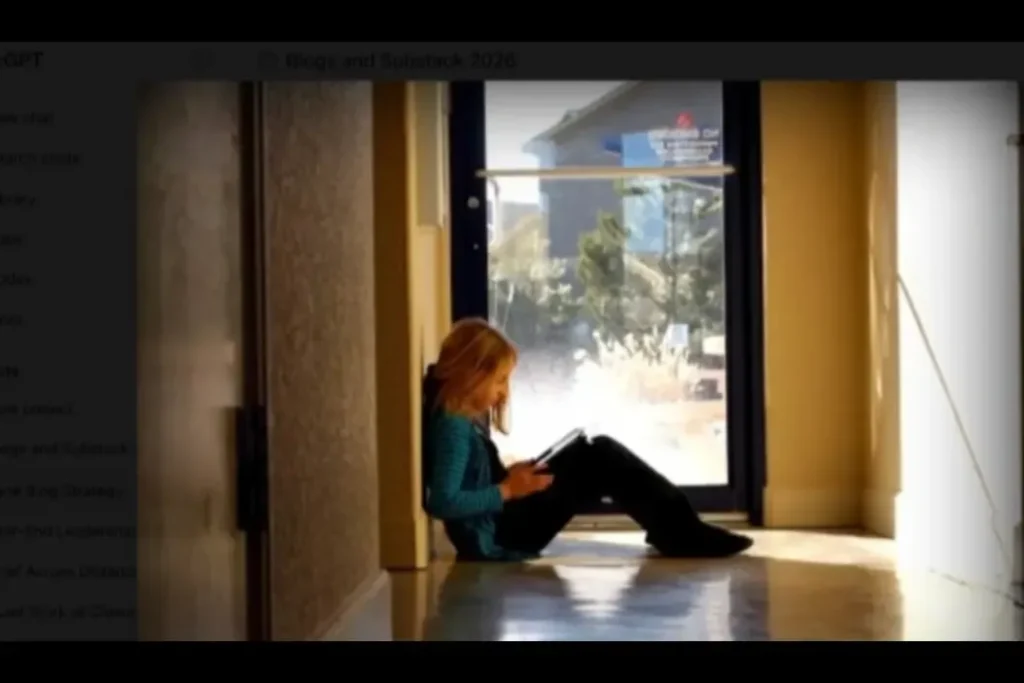
Not all important work is loud.
Some of it happens in the margins of the final weeks, in the conversations that linger after the meeting ends, in the teacher who sits for a moment in a nearly packed-up classroom before turning off the light, in the administrator who walks the building one last time on the final afternoon, noticing what the year has left behind.
This is the quiet work of closure.
It does not appear on any checklist. No one can schedule it or delegate it. But it is real work, and it matters for the people doing it, and for the communities they carry forward into a new year. Within effective Montessori school solutions, these moments of reflection and transition play an important role in building stronger school communities.
Schools are full of invisible endings.
The last time a particular group of children will eat lunch together. One finalmorning meeting before teachers reorganize the classroom for summer. The last exchange between a teacher and a student who is moving on, sometimes marked, often not. The last staff meeting of the year, which rarely feels like the significant moment it actually is.
Most of these endings pass quietly, without acknowledgement.
Life in schools is busy, and even the best Montessori school solutions can leave little room for pausing to mark what is quietly completing itself all around. So people move through the final days at speed, and the emotional weight of all those small endings accumulates without a container.
And then summer arrives, and people are surprised by how tired they feel. How long does it take to actually rest? How September seems to come before they ever fully exhaled.
This is, in part, what unacknowledged closure costs.
Why Closure Matters in Montessori School Solutions
Quiet work is still leadership work.
For Montessori school administrators, the temptation at year’s end is to focus almost entirely on what needs to be finished. The reports, the contracts, the facilities handoff, the enrollment numbers, the staffing plan. These things are real and necessary.
But leadership at the end of the year also means tending to what cannot be measured.
Leadership means noticing who on the staff is carrying more than they have said. It also means finding the teacher who had a particularly hard year and saying something true to her before she leaves for the summer. It means being present enough, unhurried enough, that people feel the organization they gave so much to truly notice them in return.
This does not require grand gestures.
A handwritten note. An unhurried conversation in the hallway. A moment in a staff gathering where something real is said, rather than something efficient.
These things cost very little in time and resources. They return something significant in trust, in loyalty, in the quiet sense people carry that this place is worth coming back to.
How Children Experience School Endings
Even the youngest children in a Montessori environment sense when the adults around them are fully present and at peace with an ending rather than simply trying to get through it.
They do not need leaders and teachers to perform serenity that they do not feel. But they do benefit from adults who have done enough of their own closure work to be genuinely present in the final days, able to mark the end of the year with them rather than simply getting through it.
A child who experiences a calm, warm, acknowledged ending to a school year learns something about how communities honor their chapters. That learning is quiet. It is not measured. But it is real, and it accumulates.
Rest is part of the work.
One of the things closure makes possible when it is done well is genuine rest.
Not the rest of collapse, which is what exhaustion produces. But the rest of completion. The particular quality of stillness that follows when people finish something properly, say their goodbyes with care, and bring the year to a meaningful close.
This kind of rest actually restores people.
It allows teachers to return in September as fuller versions of themselves. Leaders can begin the new year with clarity rather than the residue of an old one still unresolved. It allows the community to start fresh, not by pretending the previous year didn’t happen, but by having honored it enough to genuinely release it.
Closure is not sentimentality. It is sustainability.
One final thought
There is a tendency in schools, and in organizations generally, to measure success by what people have completed. Staff pack the room. The room is packed. Reports are filed. The calendar is cleared.
But a year in a school is not only a set of tasks.
It is a season of human life for children, for families, for every adult who gave something of themselves to the work of education. And seasons deserve to be marked, not only concluded.
The quiet work of closure is the work of marking.
Of saying, in whatever ways the community can: this year happened, it mattered, and we are grateful for what it gave us, including the difficulty, including the growth, including the ordinary days that quietly added up to something.
That is not soft work. That is the work that holds everything else together.
And it is, perhaps, the most important thing a school leader can tend to as the year draws to its close. At Clever Education Solutions, we believe meaningful closure helps create stronger school communities and healthier beginnings for the year ahead.