
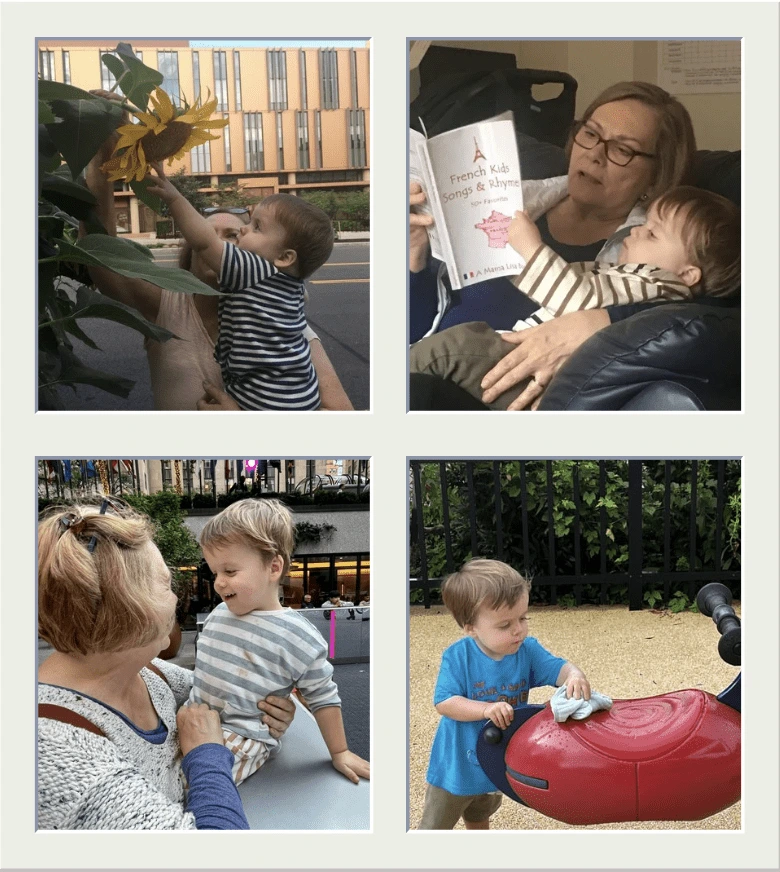
In today’s fast-paced world, the bond between grandparents and grandchildren is more precious than ever. Embracing the Montessori approach to grandparenting not only strengthens this bond but also supports the child’s natural development. Montessori principles, which emphasize independence, respect for the child’s unique development, and a love for learning, can be seamlessly integrated into your interactions with your grandchildren. Here’s how you can embark on this rewarding journey.
Understanding the Montessori Philosophy
At its core, the Montessori philosophy believes children follow universal developmental characteristics such as children’s innate curiosity and allowing them to learn at their own pace. This educational approach encourages, among other things, independence, learning by doing, and respect for a child’s natural psychological, physical, and social development.
The Origins of Montessori Education
Dr. Maria Montessori, an Italian physician and educator, developed her educational principles in the early 20th century. She began her work with children in a psychiatric clinic in Rome, where she observed that children thrived when given the freedom to explore and learn at their own pace. Her observations and scientific approach led to the development of the Montessori Method, which emphasizes self-directed activity, hands-on learning, and collaborative play. Montessori opened her first school, Casa dei Bambini, in 1907, and her innovative approach quickly gained international recognition for its effectiveness in fostering independent, confident, and motivated learners.
Creating a Montessori Environment at Home
- Child-Sized Spaces: Ensure that your home has spaces designed for your grandchild’s size and needs. This could include low shelves with accessible toys, child-sized furniture, and areas where they can safely explore and play.
- Order and Simplicity: Montessori environments are clutter-free and organized. Keep toys and materials in order, with each item having its place. This helps children feel secure and understand the importance of order.
- Natural Materials: Choose toys and materials made from natural substances like wood, metal, and fabric. These materials provide sensory experiences that plastic toys cannot.
Encouraging Independence
- Practical Life Activities: Involve your grandchild in daily tasks. Whether it’s setting the table, watering plants, or baking cookies, these activities build fine motor skills, expose the child to a logical sequence of steps, and foster a sense of accomplishment.
- Choice and Autonomy: Offer your grandchild choices to encourage decision-making. Simple choices like selecting a book to read or choosing between two snacks can empower them and boost their confidence.
Fostering a Love for Learning
- Follow the Child’s Interests: Observe your grandchild’s interests and provide materials and activities that align with them. If they show an interest in animals, visit a farm or read books about different species.
- Hands-On Learning: Montessori emphasizes learning through doing and through the senses. Provide opportunities for hands-on activities like building with blocks, gardening, or art projects.
- Quiet Observation: Sometimes the best way to support learning is to step back and observe. Allow your grandchild to explore and discover without unnecessary interruptions.
Building Emotional and Social Skills
- Respect and Empathy: Model respectful behavior and empathy in your interactions. Model using polite language, listening actively, and validating their feelings.
- Conflict Resolution: Teach problem-solving and conflict-resolution skills. Guide your grandchild to express their feelings and find solutions collaboratively.
Strengthening the Grandparent-Grandchild Bond
- Quality Time: Spend uninterrupted time with your grandchild, engaging in activities that you both enjoy. Whether it’s reading stories, taking nature walks, or simply talking, these moments are invaluable.
- Storytelling and Traditions: Share family stories and traditions to help your grandchild connect with their heritage. This strengthens their sense of identity and belonging.
- Being Present: In our digital age, being truly present is a gift. Put away distractions and focus on your grandchild during your time together.
Conclusion
Grandparenting the Montessori way is a beautiful approach to nurturing your grandchild’s growth and development. By creating a supportive environment, fostering independence, and encouraging a love for learning, you can make a lasting positive impact on their life. Embrace this journey with an open heart, and enjoy the profound connection and joy it brings.
Dominique Mouthon, the author of this blog post, is grandmother to 3 year old, Felix. In addition, she is a Montessori-trained teacher for children aged 3 to 6 years, and 6 to 12 years. With 30 years of experience in the Montessori world and as a former head of school, Dominique brings a wealth of knowledge and insight into fostering child development through the Montessori method. Visit Clever Education Solutions for for Information.