
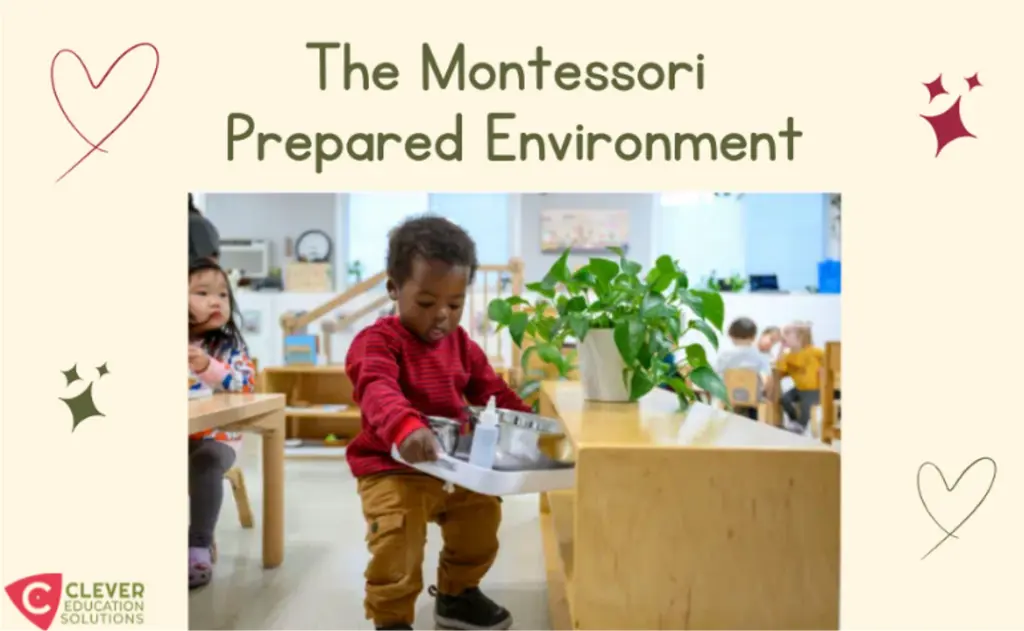
In Montessori education, the “prepared environment” concept is foundational to fostering an atmosphere that nurtures independence, creativity, and a love of learning. The environment plays a central role in how children interact with their surroundings, engage with materials, and ultimately learn to navigate the world around them.
Unlike traditional classrooms that may emphasize the teacher as the central figure, the Montessori-prepared environment shifts the focus to the child. In this carefully designed space, children are empowered to make choices, explore, and develop skills at their own pace. But what exactly does the prepared environment mean, and why is it so integral to Montessori education?
What is the Prepared Environment?
The prepared environment in Montessori refers to the physical, social, and psychological spaces that have been thoughtfully curated to support the child’s development. It is not just a classroom filled with learning materials but a holistic approach that encompasses everything from the layout and organization of the space to the types of interactions children experience with adults and peers.
The prepared environment is designed to meet the developmental needs of children at various stages, offering materials and activities that are age-appropriate, engaging, and designed to foster self-directed learning. It is an environment that invites exploration, independence, and the development of critical life skills.
Key Characteristics of the Prepared Environment
- Order and Organization One of the defining features of the Montessori-prepared environment is its orderliness. Materials are organized in a way that is accessible and meaningful to the child. Everything in the classroom has a specific place, which helps children feel secure and know exactly where to find what they need. This order also promotes a sense of responsibility, as children are encouraged to return materials to their proper places after use, reinforcing the importance of care and respect for their environment.
- Freedom of Movement In a Montessori classroom, children are not confined to desks or rigid seating arrangements. The prepared environment allows for freedom of movement, enabling children to choose where they work, when they work, and who they work with. This autonomy is crucial for developing independence and decision-making skills. With school learning assessment, students engage in natural social interactions and follow their interests and passions.
- Child-Sized Furniture and Materials A critical aspect of the prepared environment is ensuring that everything is designed with the child’s size and developmental needs in mind. From child-sized furniture to hands-on learning materials, everything in the environment is created to be accessible to children. This promotes a sense of empowerment, as children can engage with their environment without needing adult intervention for basic tasks like reaching for a book or pouring a glass of water.
- Natural Light and Open Spaces The environment is designed to feel warm, inviting, and calming. Natural light is prioritized whenever possible, as it contributes to a positive atmosphere conducive to learning. Open spaces within the classroom allow children to move freely and engage in different activities, whether they are working independently, in small groups, or with a teacher. This spaciousness encourages a sense of calm and prevents feelings of overcrowding or stress.
- Materials that Promote Learning Montessori materials are unique in their design and purpose. They are tactile, self-correcting, and offer opportunities for children to explore concepts through hands-on experiences. From the sensorial materials that help children refine their senses to the math manipulatives that build foundational skills, each material in the prepared environment is carefully selected to meet specific developmental milestones. The materials also encourage the development of fine motor skills, critical thinking, and problem-solving abilities.
- Aesthetic Beauty A Montessori environment is intentionally beautiful, with simple, attractive, and natural materials. The aesthetic quality of the environment is not just about visual appeal—it also serves to create a calm and inspiring atmosphere that invites children to engage deeply with their work. Montessori classrooms often feature wooden toys, plants, and other elements that connect children to the natural world and foster a sense of respect for beauty and care.
Emotional Safety: A Vital Component of the Prepared Environment
Beyond the physical aspects of the prepared environment in Montessori education, it is essential that children feel emotionally safe and supported. A nurturing emotional environment encourages children to explore and take risks without fear of failure or judgment. The emotional safety of the classroom fosters trust, confidence, and a sense of belonging, which are critical for children to thrive. When children feel emotionally secure, they are more open to learning, more willing to engage with new experiences, and more able to develop healthy social interactions with peers and adults alike.
The Role of the Teacher in the Prepared Environment
While the prepared environment is key, the role of the teacher, or “guide,” is equally important. In Montessori, the teacher is not the center of attention but rather a facilitator who observes, supports, and gently guides each child’s learning process. Teachers carefully prepare the environment, ensuring that the materials are age-appropriate and that the classroom layout fosters autonomy and exploration.
The teacher’s role includes observing children’s interactions with the environment, noting their interests and developmental needs, and using childcare management software to track progress. By providing appropriate lessons and respecting each child’s pace, the teacher fosters a deep sense of ownership over their learning.
How the Prepared Environment Supports Montessori’s Core Values
- Independence
The prepared environment fosters independence by providing children with the tools and freedom to make decisions about their learning. When children can access materials and choose their activities, they develop confidence in their ability to manage their learning journey in Montessori education. - Respect for the Child
The environment is designed with the utmost respect for the child’s developmental stage and learning needs. This approach communicates that the child is capable and worthy of an environment that supports their growth. - Self-Directed Learning
The environment encourages children to take responsibility for their learning, allowing them to explore topics of interest at their own pace. The child becomes an active participant in their education rather than a passive recipient of information. - Holistic Development
Montessori emphasizes the development of the whole child—intellectually, socially, emotionally, and physically. The prepared environment supports all aspects of a child’s growth by providing opportunities for hands-on learning, social interaction, emotional development, and physical activity.
Conclusion: A Living, Breathing Space for Learning
The prepared environment in Montessori education is far more than just a physical space—it is a dynamic, living part of the learning process. It is carefully crafted to support children’s growth, foster independence, and invite exploration. By providing an environment that is ordered, beautiful, and responsive to the needs of each child, Montessori schools create a space where learning can unfold naturally and joyfully.
As children engage with the world around them in a carefully prepared space, they develop not only academic skills but also a deep sense of confidence, responsibility, and respect for the environment. The prepared environment in Montessori reflects the philosophy’s belief that meaningful learning happens when children have the freedom, respect, and tools to grow. Clever Education Solutions supports this approach by providing resources that empower children to take charge of their development.