

As summer draws to a close, Montessori school administrators are gearing up for a new academic year. The start of the school year is an exciting time filled with opportunities to set the tone for a successful year ahead. Here are some key strategies to ensure your school is ready to welcome students, parents, and staff with open arms and a clear vision.
1. Revisit and Reaffirm the School’s Mission and Vision
A clear mission and vision provide direction and purpose for the entire school community. Take time to revisit your school’s mission statement with your staff. Engage in discussions that reinforce the school’s core values and educational philosophy. This reaffirmation helps align everyone’s efforts and ensures a unified approach to the new school year.
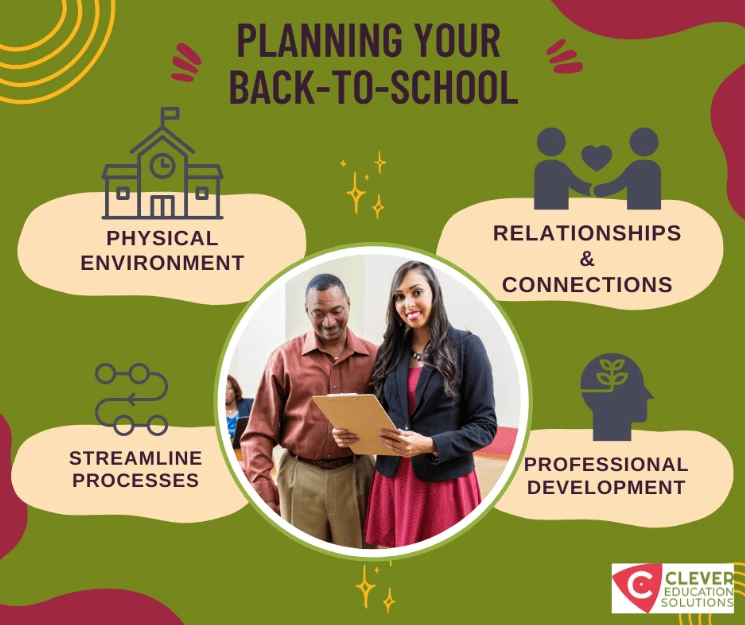
2. Prepare the Environment
Ensure that classrooms and administrative spaces are clean, organized, well-equipped, and welcoming. Consider adding child-size tables and chairs in the lobby for children, along with books or small manipulatives to create a welcoming, engaging atmosphere from the moment families walk through the door.
3. Build Relationships and Connections
Take time to meet with each teacher and staff member before the start of the school year. Organize a schedule for them to sign up at a convenient time during workdays. Foster a sense of community and respectful relationships by actively listening to their needs and concerns. Strong relationships are the foundation of a successful school year.
4. Organize Social Events
Plan welcome-back gatherings before the first day of school or during the first week, along with parent-teacher socials and community-building activities. These events help build a sense of belonging and encourage collaboration among all members of the school community. Consider the best times for such events and whether you can offer food or babysitting services. Offering a few different options can accommodate parents’ schedules and needs and facilitate the integration of new families into your school community.
5. Plan Professional Development for Staff
Professional development is crucial for keeping your staff motivated and up-to-date with Montessori practices. Schedule workshops, training sessions, and team-building activities that focus on enhancing teaching skills, classroom management, and the integration of children with various learning styles. Identify each teacher and administrative staff member’s goals for the year, and establish a mentoring system to provide continuous support and growth opportunities. In a time when finding trained Montessori teachers is challenging, supporting their well-being and retention is essential.
6. Streamline Administrative Processes
Efficient administrative software is the backbone of a well-functioning school. By using administrative software for Montessori, reviewing and updating the student enrollment and attendance tracking to communication protocols is quite easy. Simplify and digitize processes where possible to save time and reduce stress for staff and parents. If you haven’t already, consider implementing an integrated school management platform like Cordelia by Clever Education Solutions to streamline these tasks.
7. Communicate with Parents
Start the year with a welcome meeting to inform parents about the Montessori method and how they can support their child’s learning at home. Regular classroom and school updates, along with parenting or child development resources, will strengthen the school-home connection. Consider holding morning coffees or evening meetings regularly to keep parents engaged and informed.
8. Set Clear Goals and Expectations
Setting clear goals and expectations for the school year helps everyone stay focused and accountable. Work with your staff to establish academic and administrative goals that are specific, measurable, achievable, relevant, and time-bound (SMART). Communicate these goals to the entire school community, ensuring that everyone understands their roles and responsibilities in achieving them.
9. Prepare for Contingencies
The start of a new school year can bring unexpected challenges. From health and safety protocols to technology issues, it’s essential to have contingency plans in place. Review your emergency preparedness plans and ensure that all staff are familiar with procedures for various scenarios. Regular drills and training sessions can help ensure that everyone knows how to respond in case of an emergency.
10. Reflect and Improve
Take time to reflect on the previous school year. What worked well? What could be improved? Use feedback from staff, parents, and students to make informed decisions about changes and improvements. Continuous reflection and improvement are key components of successful Montessori school administrators.
As you prepare for the start of the school year, remember that the foundation you build now will set the stage for a productive and harmonious year. By focusing on these strategies, you can create a positive, organized, and welcoming environment that supports the growth and development of your entire school community.
Here’s to a fantastic start to the new school year!